
Herbalism Explained: Ancient Plant Wisdom for Modern Wellness
Introduction
- Herbalism, also known as herbal medicine, is one of the oldest healing traditions in the world. From the mountains of China to the gardens of Europe, people have relied on herbal remedies for thousands of years to restore balance, ease daily discomforts, and support long-term health. Today, as more people seek natural wellness solutions, herbalism is enjoying a renaissance—often starting with something as simple and comforting as a cup of Chinese herbal tea.
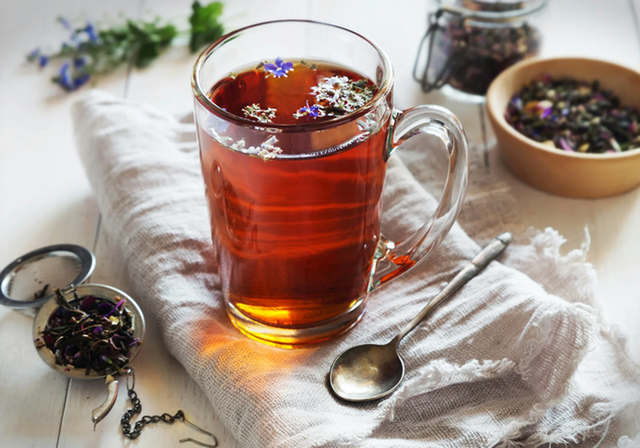
What Is Herbalism?
Herbalism is the study and practice of using plants for healing. Unlike pharmaceutical drugs that often isolate a single compound, herbal medicine values the synergy of whole plants, combining roots, leaves, flowers, and seeds to create a balanced effect. This holistic approach aligns with the body’s natural rhythms, offering gentle yet effective support for digestion, immunity, energy, and emotional well-being.
Herbal Traditions Across Cultures
Chinese Herbalism (Traditional Chinese Medicine): Built on the philosophy of yin-yang balance and Qi flow, Chinese herbal teas use carefully paired herbs like goji berries for vision and vitality, or licorice root to harmonize blends.
Western Herbalism: Inspired by Greek, Roman, and folk traditions, Western herbal remedies highlight everyday herbs such as chamomile for sleep, peppermint for digestion, and St. John’s Wort for mood support.
Ayurveda (India): A holistic system that balances the three doshas, often using turmeric for inflammation, ashwagandha for energy, and tulsi (holy basil) for stress relief.
👉 Despite their differences, these traditions share the same truth: herbal medicine connects people to nature’s healing power.
Why Herbalism Matters Today
In our fast-paced world of caffeine and synthetic supplements, herbalism provides an alternative rooted in balance:
Gentle & Natural: Herbs support the body instead of forcing quick fixes.
Everyday Use: A warm cup of herbal tea can support digestion, relaxation, or energy throughout the day.
Mind-Body Ritual: Preparing tea turns herbal remedies into a mindful act of self-care.
Science Confirms Ancient Wisdom
Modern research continues to validate traditional herbal knowledge:
Turmeric (Curcumin): Anti-inflammatory and antioxidant support.
Ginseng: Enhances stamina, energy, and mental clarity.
Hibiscus Tea: Shown to support healthy blood pressure.
Green Tea (Catechins): Boosts metabolism and heart health.
This merging of ancient herbal wisdom with modern science makes herbalism relevant and reliable today.
Herbal Tea: Your First Step into Herbalism
The easiest way to explore herbal medicine is through tea. Whether you’re winding down with a calming bedtime blend, recharging with a ginseng-based infusion, or seeking antioxidant-rich Chinese herbal teas for daily vitality, every sip is a simple step toward holistic wellness.
Conclusion
Herbalism is more than plant science—it is a philosophy of balance, connection, and care. By enjoying herbal teas, you’re embracing a tradition that spans continents and centuries, while giving your body the gentle, natural support it deserves.
🌿 Discover our handcrafted herbal teas—where traditional knowledge meets modern wellness.

